Importance of a Diet Containing Carbohydrate, Protein, and Fat
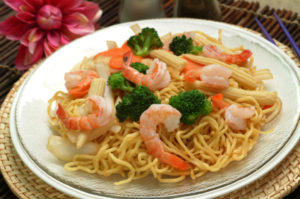 Are you confused by the recommended quantities of Carbohydrate, Protein and fat that one should consume in their diet? This article will explain the specific requirements of each, the function and their sources.
CARBOHYDRATES
Carbohydrates are the main source of fuel in the body and are broken down to glucose for energy to the brain and all other cells in the body. They provide 4 kcal/gm, and aid in the metabolism of fat. They contain fiber, which aids in elimination, intestinal health, promotes a sense of fullness, and can regulate cholesterol and blood sugar. They are broken down and digested in one to three hours of consumption. American Heart Association recommends that one consumes 50 to 65% of their total caloric intake from carbohydrates, but newer recommendations include 45-60% of meals. If one were on the more active side, then the higher percentage would be consumed. Carbohydrates contain B vitamins, Vitamin E, Fiber and minerals such as chromium and Selenium. Excellent sources include: Whole grains, breads, cereals, pastas, rice’s, fruits, vegetables, *nonfat or low fat milk products, and *legumes. * contains carbohydrates and protein.
PROTEIN
Protein is also known as the building blocks of amino acids, which are needed for growth and repair of every cell in the body. Protein is needed to create antibodies (for immunity), hormones, red and white blood cells and enzymes as well as help maintain fluid balance in various parts of the body. Protein also provides essential amino acids that the body can’t manufacture on its own and is broken down within three to four hours of consumption. They also provide 4 kcal/gm. Recommendations had previously been 12-20% of the total caloric intake, but newer recommendations are 20-30% of meals. Protein provides B-6, B-12, Iron, Chromium, Selenium, Zinc and Copper. Lean sources include: skinless boneless poultry, fish, pork tenderloin, lean cuts of beef (eye round, top round, round tip, top sirloin, tenderloin), soy, egg whites.
FAT
Fat is our friend, not the enemy that it’s been portrayed out to be. Fat is the primary carrier of flavors in food, provide and store fat-soluble vitamins, A, D, E, and K, and is necessary for DNA synthesis. Fat is needed for temperature regulation, and supplies essential fatty acids necessary for healthy skin, hair and nails. Fat triggers us to feel full and stop eating. Fat provides 9 kcal/gm and recommendations are 20-30% of the total caloric intake. The three types include Saturated, Monounsaturated, and polyunsaturated fats. Saturated fat is the “bad” fat, solid at room temperature, and is animal based which can elevate one’s lipid panel. Butter, lard, cream cheese, creamy salad dressings, fat in poultry, meat and cheese and hydrogenated fats are ones to avoid. Mono- and Polyunsaturated fats are the “good” fats which are plant based and liquid at room temp. Examples include olive oil, canola oil, avocado, peanut butter, and cashews.
The above key nutrients are important for one to consume for optimal health, satisfaction with meals, and adequate intakes of vitamins and minerals. In a society that is obsessed with diets and dieting it is a struggle for the consumer to know which nutritional information is accurate.