Monthly Insights
Why menopause increases risk of eating disorders (May 2024)
By Carrie Dennett, MPH, RDN Ask several people what someone with an eating disorder looks like, and most of them would probably say something like, “thin, white, young, female.” But eating disorders know no demographic boundaries, and the truth is that eating disorders in midlife—and beyond—are all too common among women. For example, a 2012 […]
What is the Best Produce to Buy Organic? (July 2009)
To buy or not buy organic, that is the question. Produce are the foods that can contain trace levels of pesticides. According to the FDA’s pesticide Residue Monitoring Program, which collects and tests random samples of domestic and imported foods, fruits and vegetables it is known that they have 54.9 percent of fruit and […]
Eating to Burn Fat (June 2009)
Research has shown that bodies of overweight people don’t burn fat as efficiently as those of thin people, but a new study found that eating high-protein breakfast and lunch may level the playing field. Protein-packed meals seemed to boost the fat-burning capacity in obese individuals. The opposite effect was seen in lean people, in whom […]
The Truth about Probiotics (May 2009)
You have probably seen the word on containers of yogurt, but what exactly are probiotics? They are “good” bacteria that aid digestion and help us aid fight off “bad” bacteria that cause illness. A few probiotic enhanced food products may settle the occasional stomachache. A reputable website which tells the consumer which supplements are […]
What is the difference between “Sugar Free” and “Sugar Alcohols”? Are there better choices than food sweetened with sugar? (April 2009)
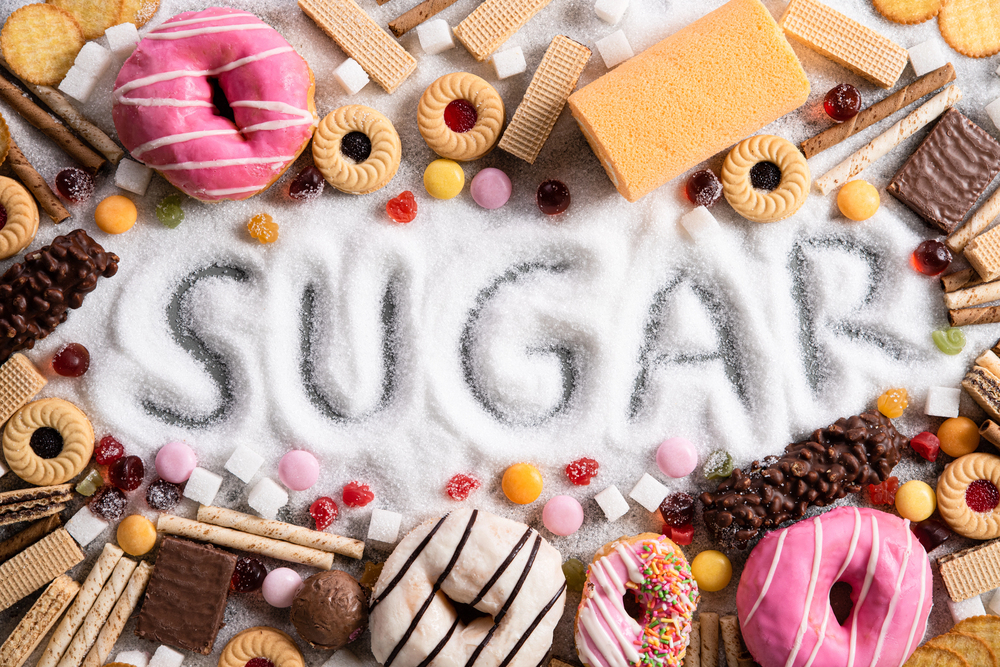
Sugar alcohols (also called polyols) such as sorbitol, polydextrose, isomalt, and hydrogenated starch hydrolysates are not technically sugar, but they provide sweetness in foods just as sugars do. Sugar alcohols are only partially absorbed in the small intestine, so they supply only about half the calories as equal amounts of regular sugar while sometimes […]
The Incredible Cranberry (March 2009)
Cranberries have a lot more to offer than holiday tradition, Diane McKay, Ph.D, a nutrition expert at Tuft University in Boston, says preliminary studies suggest phytonutrients, including antioxidants, in cranberry products may improve heart health by helping to: Increase HDL (good) cholesterol Lower LDL (bad) and total cholesterol Minimize plaque in your arteries Limit […]
When Fruit and Meds Don’t Mix (February 2009)
If you want to get rid of a sinus infection, don’t wash those antibiotics with a glass of juice. Researchers from Canada’s University of Western Ontario found that orange, grapefruit and apple juices can decrease the effectiveness of certain medicines, such as those for allergies (antihistamines), high blood pressure (beta-blockers), and infections (antibiotics). “These juices […]
Fuller Fat
Researchers at the University of California, Irvine, have discovered why avocados, nuts and olive oil are more filling than other foods. Their unsaturated fats trigger the release of a compound called oleoylethanolamide (OEA) in our small intestine, activating a brain circuit that makes us feel more satisfied for longer.
What is the Latest on the Consumption of Nuts, Seeds and Corn in Diverticular Disease? (January 2009)
People with Diverticulitis have been recommended to avoid nuts, seeds and popcorn for years. Research currently shows that consuming nuts and popcorn twice per week appeared to have a protective effect against diverticulitis, report researchers in the August 27, 2008 issue of Journal of the American Medical Association. Researchers analyzed the self reported data of […]
Soy and Male Fertility (November 2008)
Men who eat soy have fewer sperm than those who don’t, according to a new study. Soy foods such as tofu, soy milk and some veggie burgers have been shown to have many dietary benefits. But they happen to be high in isoflavones, a dietary compound that can act like estrogen. This is one reason […]